23rd October, 2026Bringing the Coast Home: My Journey in Interiors and Transforming Spaces
by Sarah Baker
"Your home should tell the story of who you are, and be a collection of what you love."
— Nate Berkus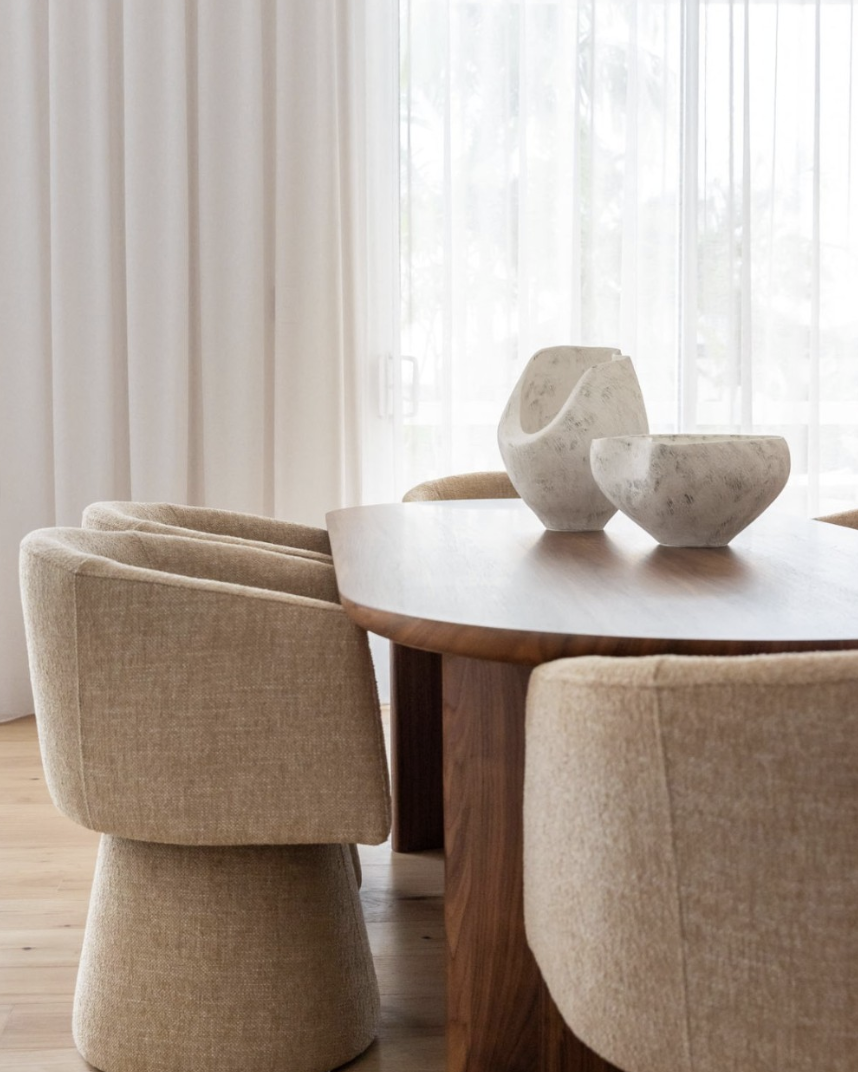
FOR THE LOVE OF INTERIORS AND THE POWER OF TRANSFORMING SPACES
Welcome to my little corner of the design world! If you have ever felt a deep sense of calm wash over you the moment you step onto a sun-drenched beach or catch the salty breeze of the ocean, you already understand the heartbeat behind my design philosophy. For as long as I can remember, I have been captivated by the magic of interior styling and specifically, how the spaces we inhabit shape our daily well-being, mood, and lifestyle.
Why Coastal Design?
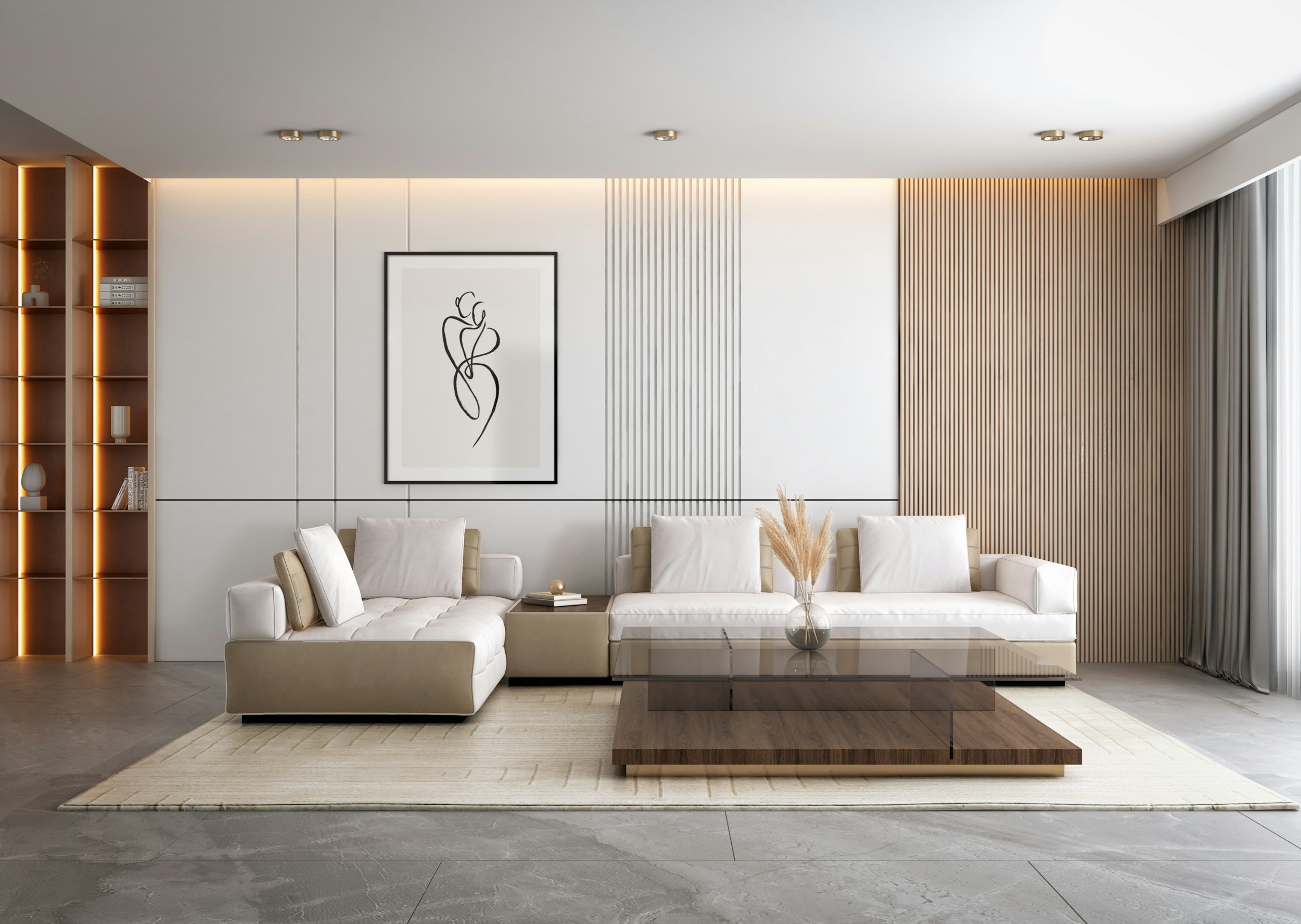
To me, coastal aesthetics are not about leaning into cliché nautical themes or overly predictable blue-and-white stripes. Instead, it is a sophisticated, soulful celebration of organic textures, sun-bleached woods, airy linens, and a neutral, breathable palette that echoes nature. It is about crafting an atmosphere that feels like a permanent holiday, a sanctuary where you can exhale the stress of the modern world and settle into effortless elegance.
Elevating Your Space with some foundational styling secrets:
Embrace Natural Light: Clear heavy window treatments and let the sunshine flood your rooms. Light is the ultimate design tool, instantly expanding small footprints and brightening your mood.
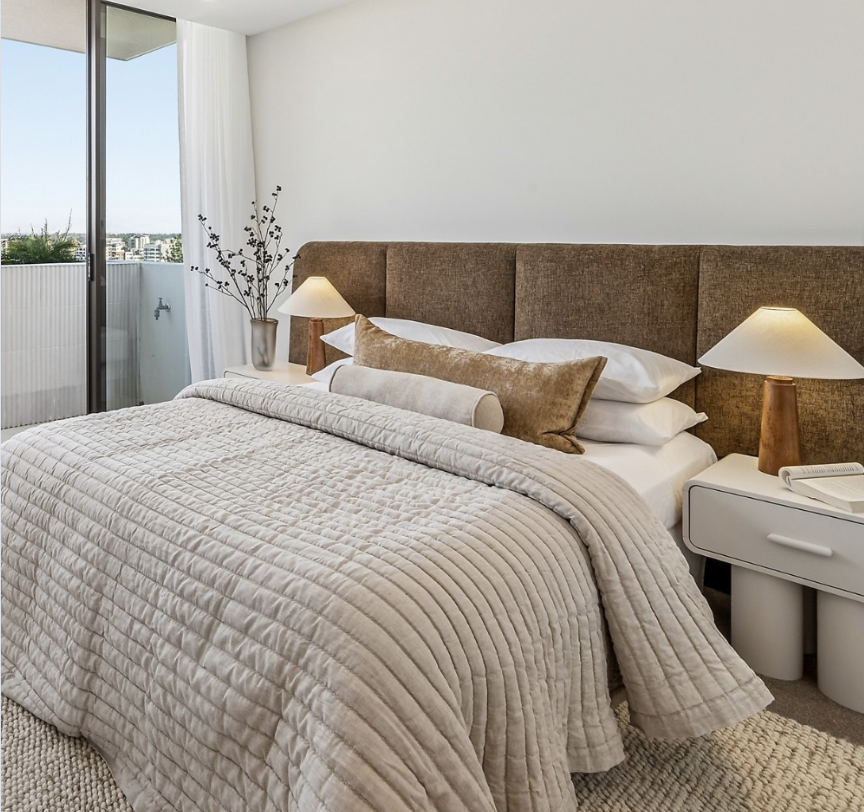
Layer Organic Textures: Mix jute rugs, chunky knit throws, weathered wood, and tactile ceramics. Texture adds depth and warmth, preventing minimalist spaces from feeling cold.
Curate, Don’t Clutter: Give your treasures room to breathe. Quality over quantity ensures every piece tells a story and contributes to a serene, uncluttered flow.
the power of first impressions:
why property staging is integral to selling your home
When putting a home on the market, homeowners often focus solely on deep-cleaning or minor cosmetic repairs. However, in today’s competitive real estate landscape, these traditional efforts are rarely enough. Property staging has transitioned from a luxury design trend to an essential marketing strategy. By transforming an empty or lived-in property into a polished, emotionally resonant showcase, staging bridges the gap between a house and a buyer's dream home.
Creating an Emotional Connection
Buying a home is rarely a purely logical decision; it is deeply emotional. When prospective buyers walk through a property, they are searching for a narrative, a lifestyle they can see themselves stepping into.
Cluttered rooms, personalised family portraits, and mismatched furniture make it difficult for buyers to project their own lives onto the space. Professional staging strips away the previous owner's identity, replacing it with a neutral, universally appealing aesthetic. This allows buyers to instantly visualise their own furniture, routines, and future memories unfolding within the walls.
Maximising Space and Functionality
Every home has unique architectural strengths and potential awkward spots. Without furniture or with poorly proportioned pieces, rooms can easily feel smaller, darker, or more confusing than they actually are.
Professional interior stylists utilise design principles of scale, lighting, and flow to highlight a property's best assets while downplaying its flaws. A cleverly placed mirror can bounce natural light into a dim corner, while appropriately sized furniture demonstrates the true functional capacity of an awkward nook or open-plan living area. Buyers no longer have to guess whether a king-sized bed or a dining table will fit; the staging proves it effortlessly.
Commanding a Higher Sale Price and Shorter Timeline
The ultimate goal of staging is financial return. According to industry insights, staged homes consistently spend less time on the market than un-styled properties. In real estate, time on market is the enemy of a high sale price; the longer a listing lingers, the more skeptical buyers become, often leading to lowball offers.
Furthermore, staging directly impacts perceived value. Because professionally staged homes look move-in ready and meticulously maintained, buyers perceive them as having higher quality. This often translates into higher bids and competitive multi-offer scenarios, giving sellers maximum leverage during negotiations.
The Bottom Line
Property staging is much more than simply decorating a room; it is a strategic sales tool. By neutralising personal elements, accentuating spatial potential, and evoking a powerful emotional response, staging transforms a house into a must-have commodity. For any seller looking to stand out, attract serious buyers, and maximise your return on investment, professional staging is an indispensable step in the journey.
Talk to Coast By Design today.
The Art of Atmosphere: The Interior Stylist’s Guide to Curating Homes That Feel as Good as They Look
Furnishings are the heartbeat of a home. As an interior stylist, I see furniture and decor not merely as functional objects, but as the primary vocabulary of mood. When curated thoughtfully, they transform a static room into an immersive sanctuary where relaxation and everyday utility effortlessly coexist.
Crafting the Mood
A home should whisper welcome the moment you cross the threshold. The secret lies in balancing aesthetics with ergonomics, ensuring that every curve invites you to linger, while every surface serves a purpose.
Soft Textures and Warmth: Layering tactile elements like boucle, brushed brass, and natural linens diffuses light and softens harsh architectural lines, immediately signalling the nervous system to unwind.
Purposeful Flow: True luxury is frictionless. A well-designed room marries beauty with intuitive pathways, ensuring that comfort never compromises practicality.
Proportions, Space, and Light: The Designer’s Blueprint
Selecting the right pieces is an exercise in geometry and intuition. To avoid the common pitfall of a disjointed or cluttered interior, anchor your choices in three core principles:
Room Proportions: Let the scale of your architecture dictate your furniture. Oversized sectional sofas can anchor a cavernous, high-ceilinged loft, whereas slender-legged mid-century modern profiles keep modest spaces feeling airy and expansive. Always leave breathing room around perimeter walls.
Spatial Flow: Map out your traffic paths before buying a single piece. A living room should invite easy conversation without forcing guests to navigate an obstacle course of coffee tables.
Light as a Material: Observe how natural light moves through your rooms across the day. South-facing rooms drenched in warm sun can handle cooler tones and rich, light-absorbing velvets, while north-facing spaces benefit from reflective surfaces, warm wood finishes, and layered ambient lighting to banish shadows.
Ultimately, your home should tell your story. By honouring scale, light, and texture, you craft a living canvas that feels deeply personal, effortlessly functional, and endlessly comforting. align technical insight with disciplined execution to provide measurable gains across operational, financial, and strategic domains.